Start with the age of the roof.
Architectural asphalt shingles in Connecticut typically last around 20 to 30 years. Older 3-tab roofs, less. Freeze-thaw winters, shade, moss, attic ventilation and how well the roof went on in the first place all push that number up or down.
Don't know how old yours is? Your town's building department may have the permit on file, and the seller's disclosure from when you bought the house might say. An old roof isn't automatically a bad one. Past 20 years, the signs below are worth a closer look.
What to look for from the ground.
You don't need a ladder for most of this. A pair of binoculars and a walk around the house in daylight is enough. Stay off the roof: walking on worn shingles damages them, and falls are how people get hurt.
Granules in the gutters
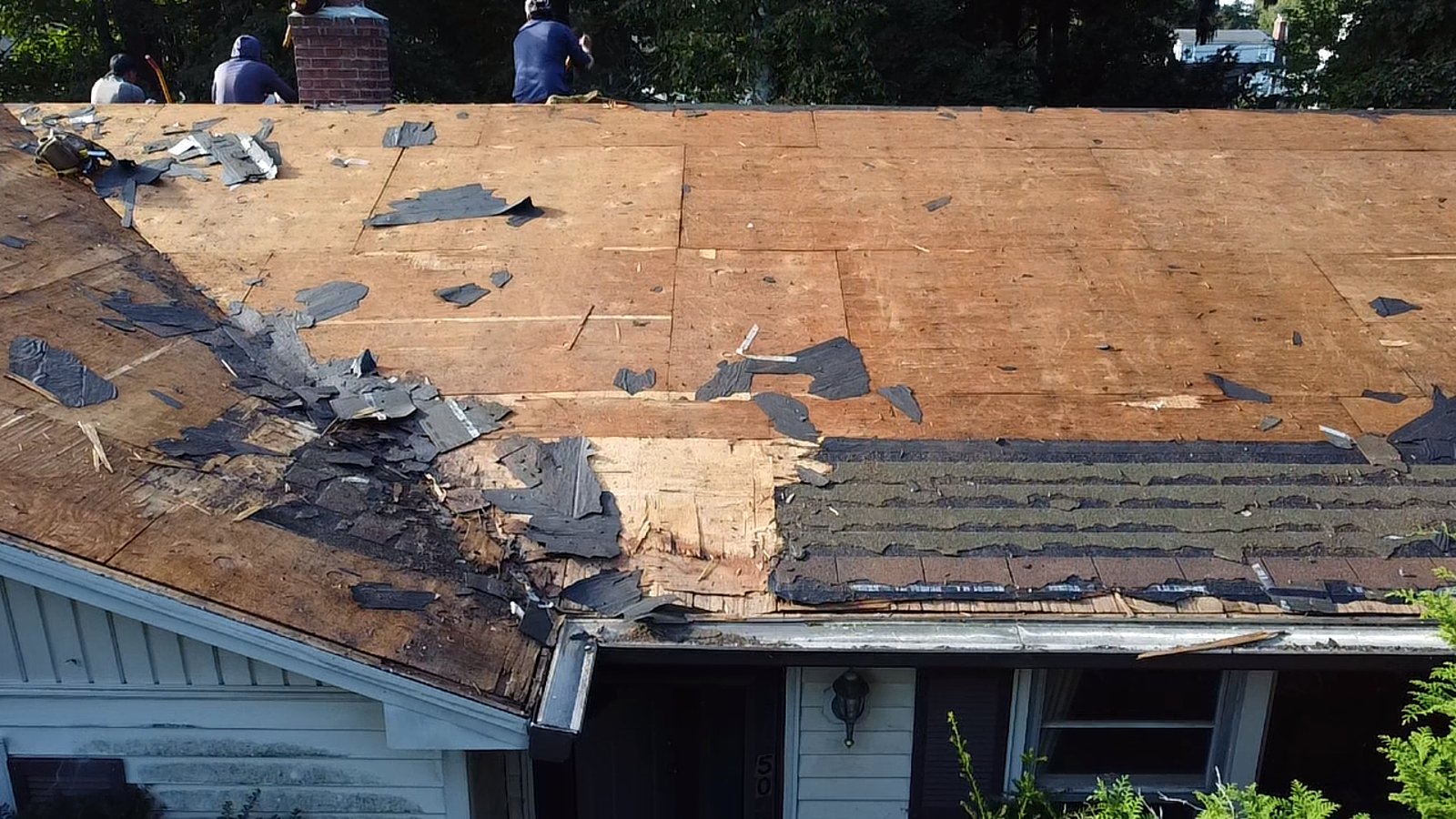
The sandy coating protects the asphalt from the sun. When it washes off in quantity, or you can see darker bald patches on the roof, the shingles are wearing out. A little after a brand-new roof is normal.
Curling, cupping or cracking
Edges turning up, centers dishing in, or cracks across the tabs. One or two is wear. Whole slopes of it means the shingles are at the end.
Missing or creased shingles after wind
A crease across the top of a shingle means the wind lifted it and broke its seal. It may lie flat again, but it won't hold the next time.
Black streaks or moss
Black streaks are usually algae, and mostly cosmetic. Moss is different: it holds water against the shingles and lifts them, especially on shaded north slopes.
Flashing pulling away
Around the chimney, skylights and anywhere the roof meets a wall. Loose, rusted or caulk-only flashing is one of the most common leaks, and often a repair rather than a new roof.
A roofline that dips
A sag between rafters or along the ridge can mean the decking underneath has gone soft from years of moisture. That one needs a look soon.
What to check inside.
- Water stains on ceilings, especially near the chimney, skylights and bath fans. New ones after rain or a thaw point to an active leak.
- Daylight through the roof boards in the attic, or wet, matted insulation.
- Dark staining or mold on the underside of the decking, or frost on the nail tips in winter. That's usually a ventilation problem first, and it shortens a roof's life.
- Ice dams every winter. They point to heat leaking into the attic, and a new roof won't fix that on its own. See our ice dam guide.
Repair or replace?
Here's the rule we use. If the problem is in one spot, a flashing, a pipe boot, a few shingles torn off in a storm, and the rest of the roof is sound, repair it. If the wear is everywhere, a repair just moves the next leak somewhere else.
Storm damage is its own question. If wind or hail did it, the roof may be covered by your homeowners policy, and it should be documented before you file. Here's how storm claims work.
What the free inspection tells you.
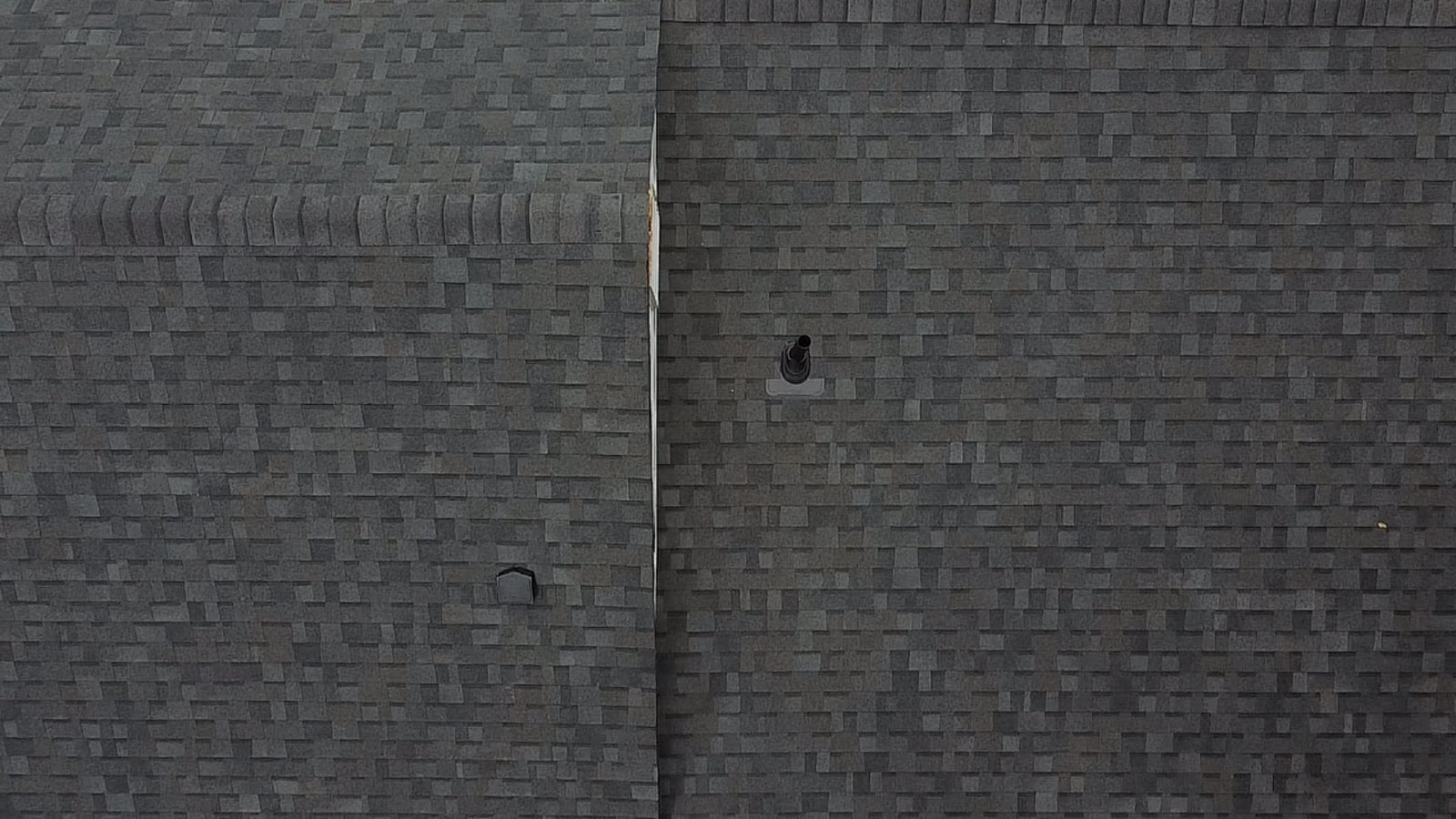
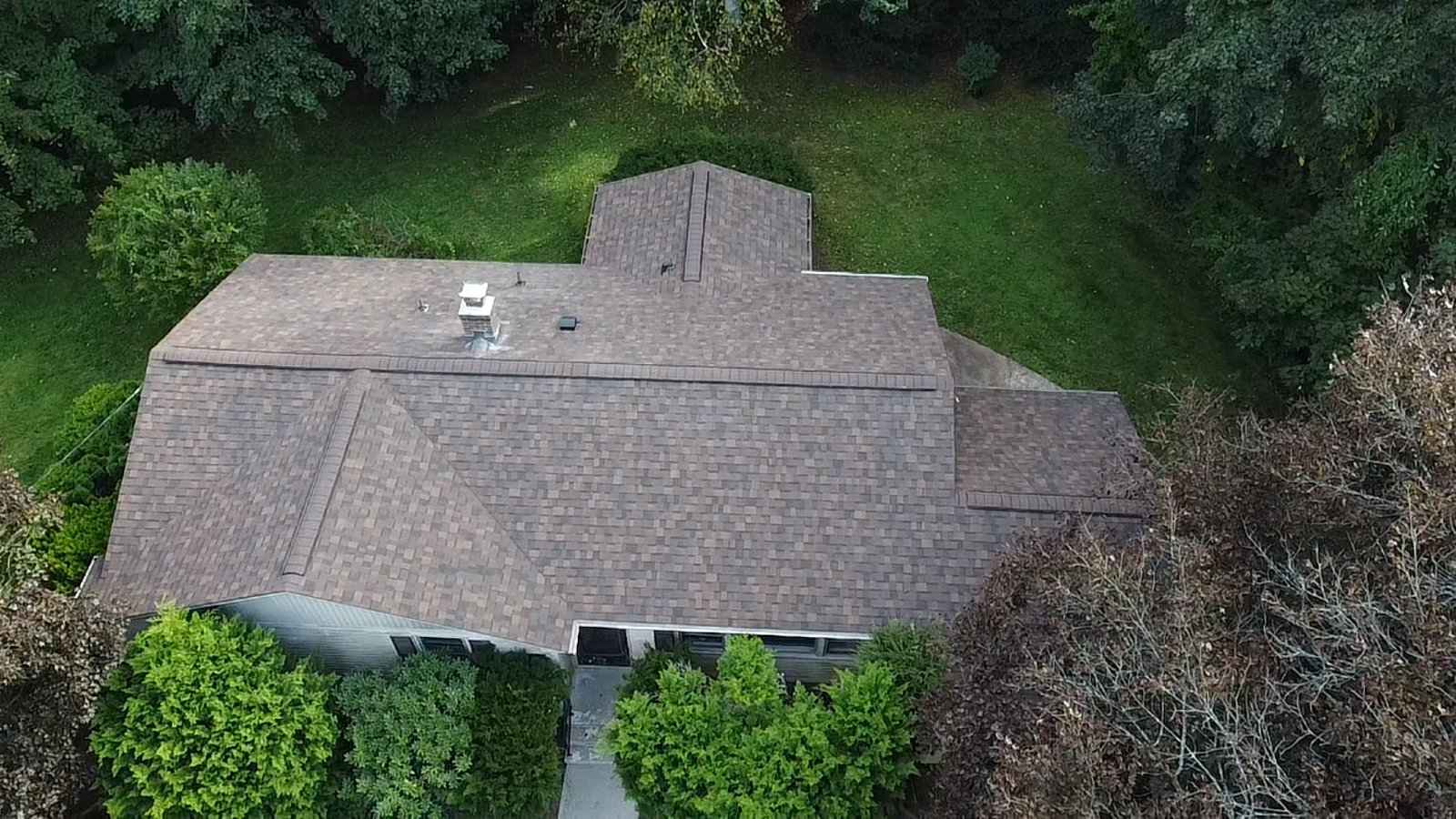
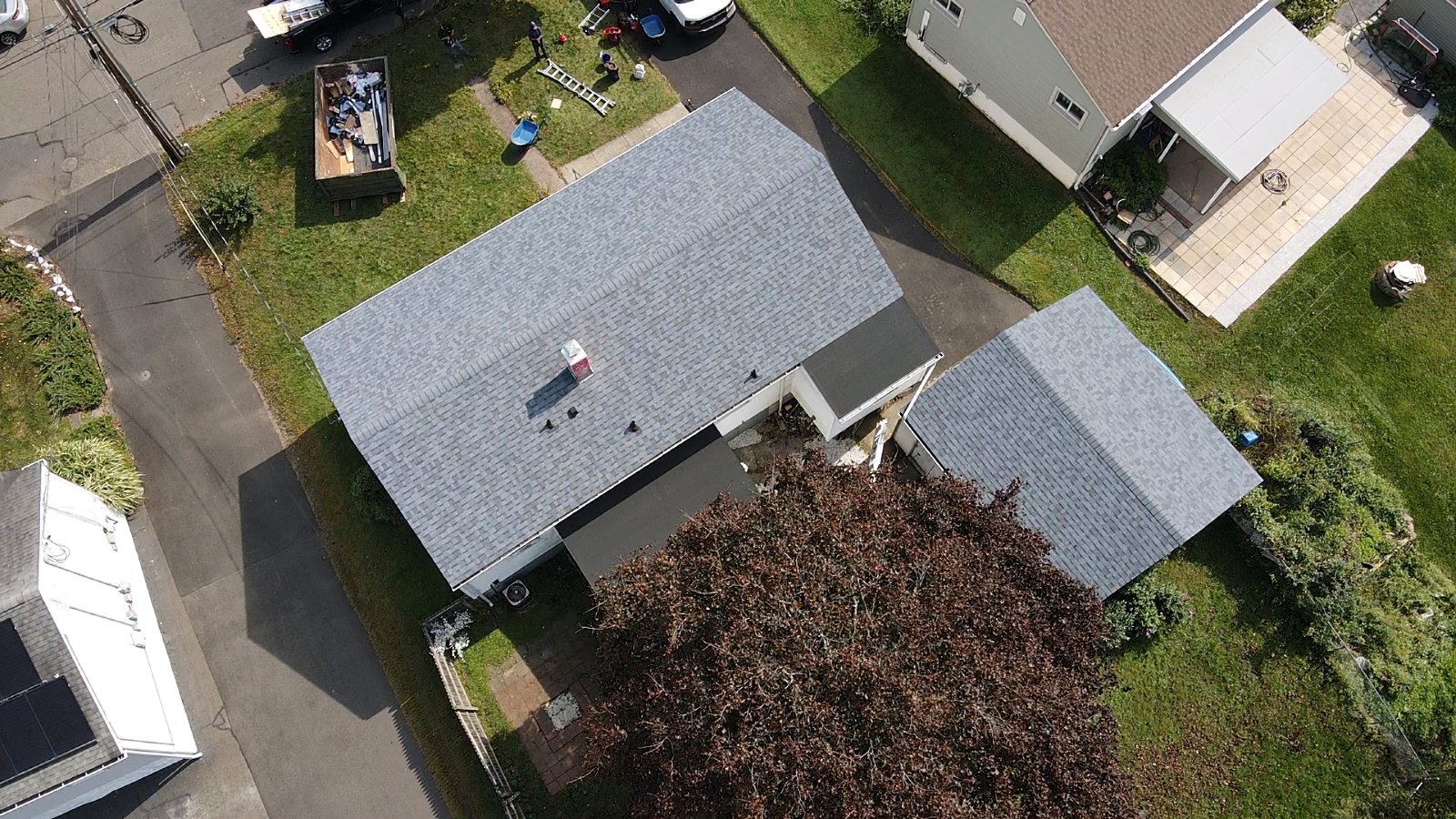
We go up, photograph every slope, the flashing, the vents and anything that worries us, and tell you plainly which side of the line your roof is on. If it doesn't need replacing yet, we'll say so and quote the repair. The photo report is yours to keep either way.
LET’S CLEAR A FEW THINGS UP.
How long does a roof last in Connecticut?
Architectural asphalt shingles typically last around 20 to 30 years here, and older 3-tab roofs less. Shade, moss, attic ventilation and the quality of the original install move that up or down, so condition matters more than the date.
Is a leak always a sign I need a new roof?
No. Most single leaks come from flashing, a pipe boot or one damaged spot, and a repair fixes them. A roof that leaks in several places, or one that's worn everywhere, is a different story.
Can I replace just part of my roof?
Sometimes. A single slope that took storm damage can be redone on its own, but weathered shingles rarely match new ones exactly, and if the rest of the roof is worn you'll be back soon. We'll tell you if a partial job makes sense.
Are black streaks on my roof a problem?
Usually not. They're typically algae and mostly cosmetic. Moss is the one to deal with, because it holds water against the shingles and lifts them.
What does a roof inspection cost?
Ours is free, anywhere in Connecticut. You get a photo report of what we found, and it's yours to keep whether you hire us or not.