Yes, a replacement needs a permit.
Connecticut has one building code for the whole state, the 2022 Connecticut State Building Code, and every town's building department enforces it. A roof replacement is building work under that code, so it needs a permit before the job starts. Small repairs may not. Your building department makes that call, and it's worth a phone call if you're unsure.
Filing the permit is normally the contractor's job: they're the one doing the work and answering to the inspector. We pull the roof permit on every roof we replace. A contractor who asks you to pull it yourself is asking you to take on that responsibility.
What the town checks.
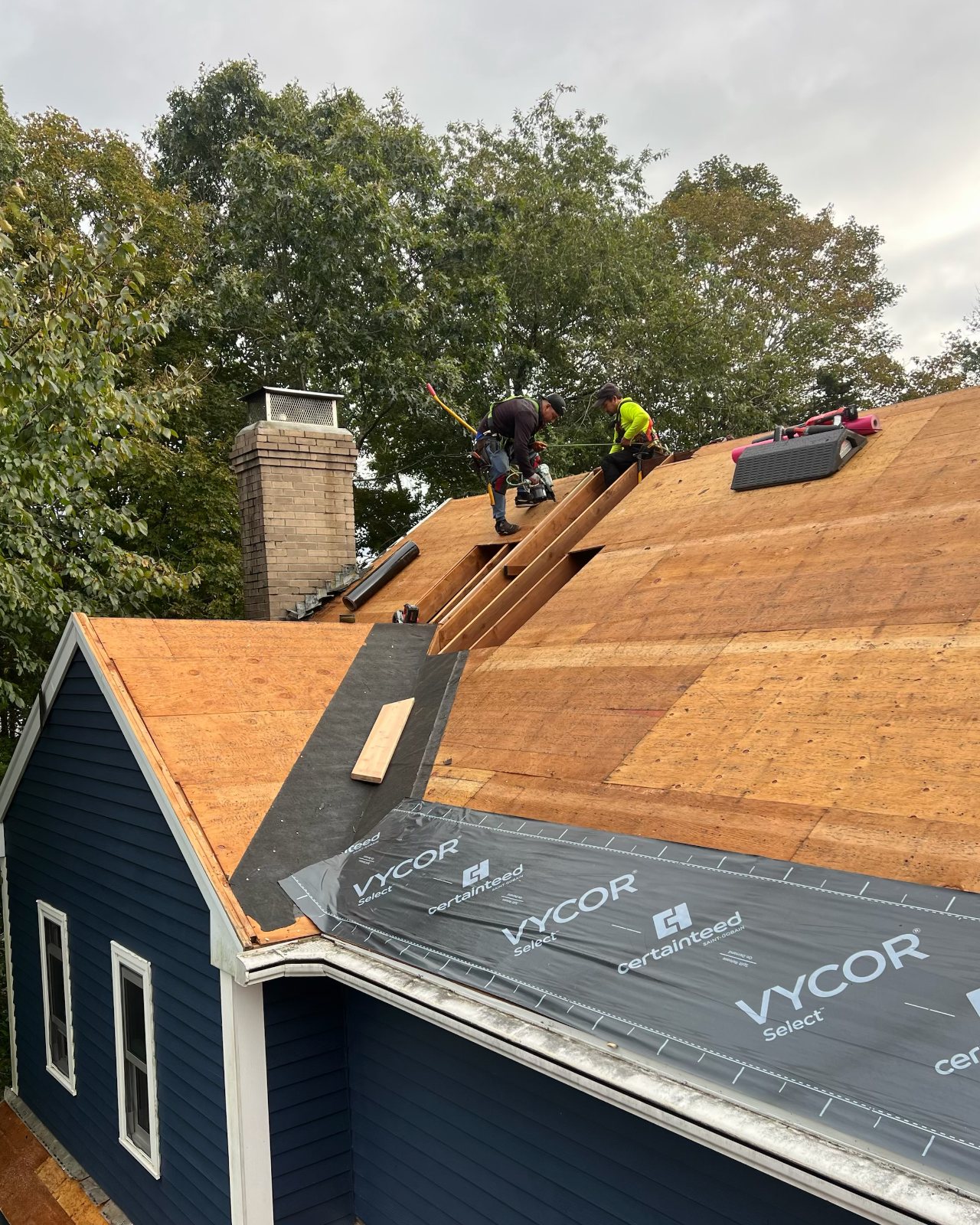
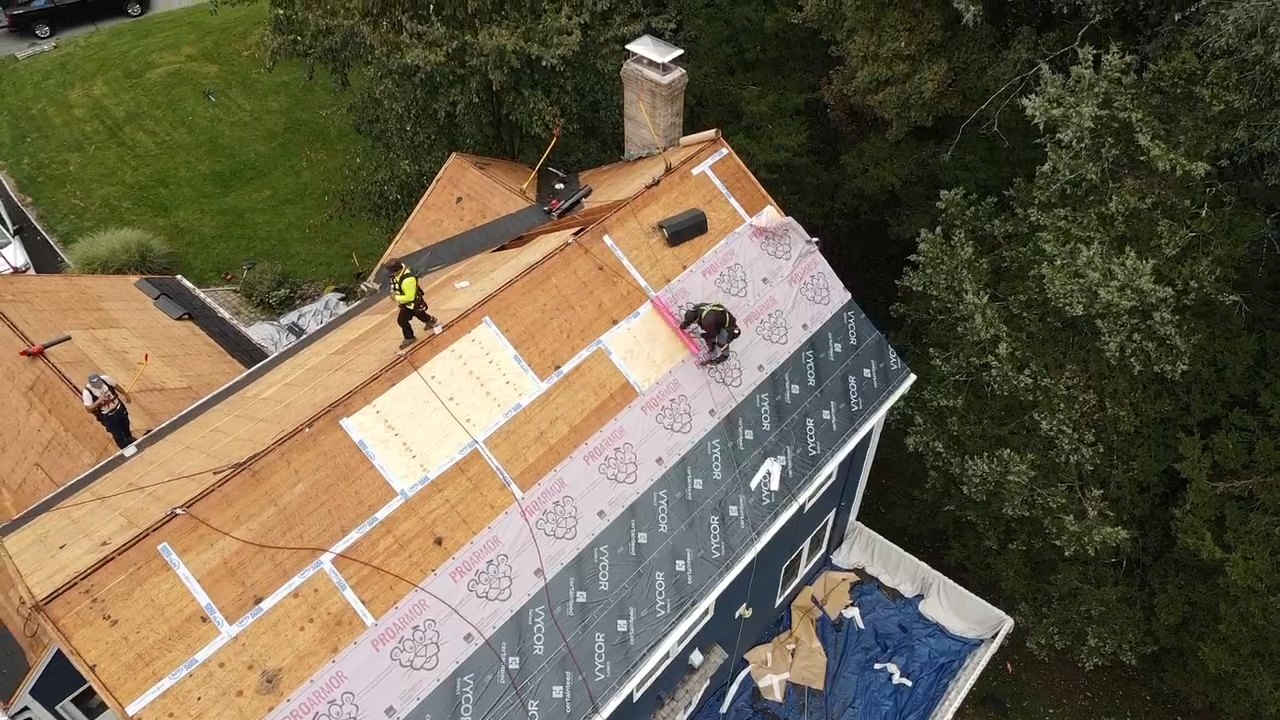
The permit means the roof gets built to code. What the code calls for on a shingle roof in Connecticut:
- An ice barrier at every eave, to at least 24 inches inside the exterior wall (more in our ice and water shield guide)
- A 4-inch membrane strip over the seams of the decking, with underlayment over the whole roof
- Drip edge at the eaves and the rakes
- Shingles installed to the manufacturer's instructions, nailing included
- No new layer over two existing ones, or over a roof that's wet or deteriorated
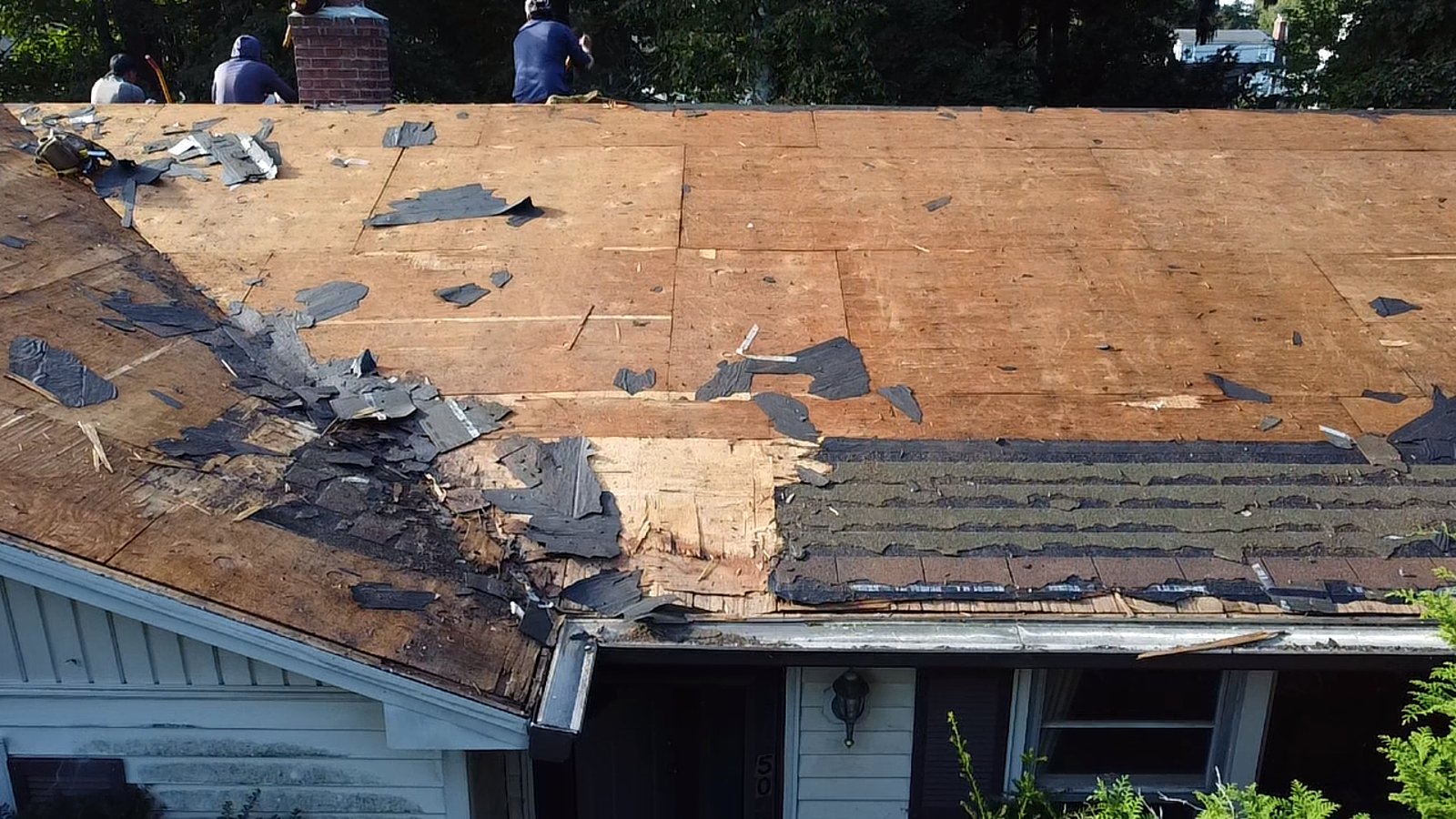
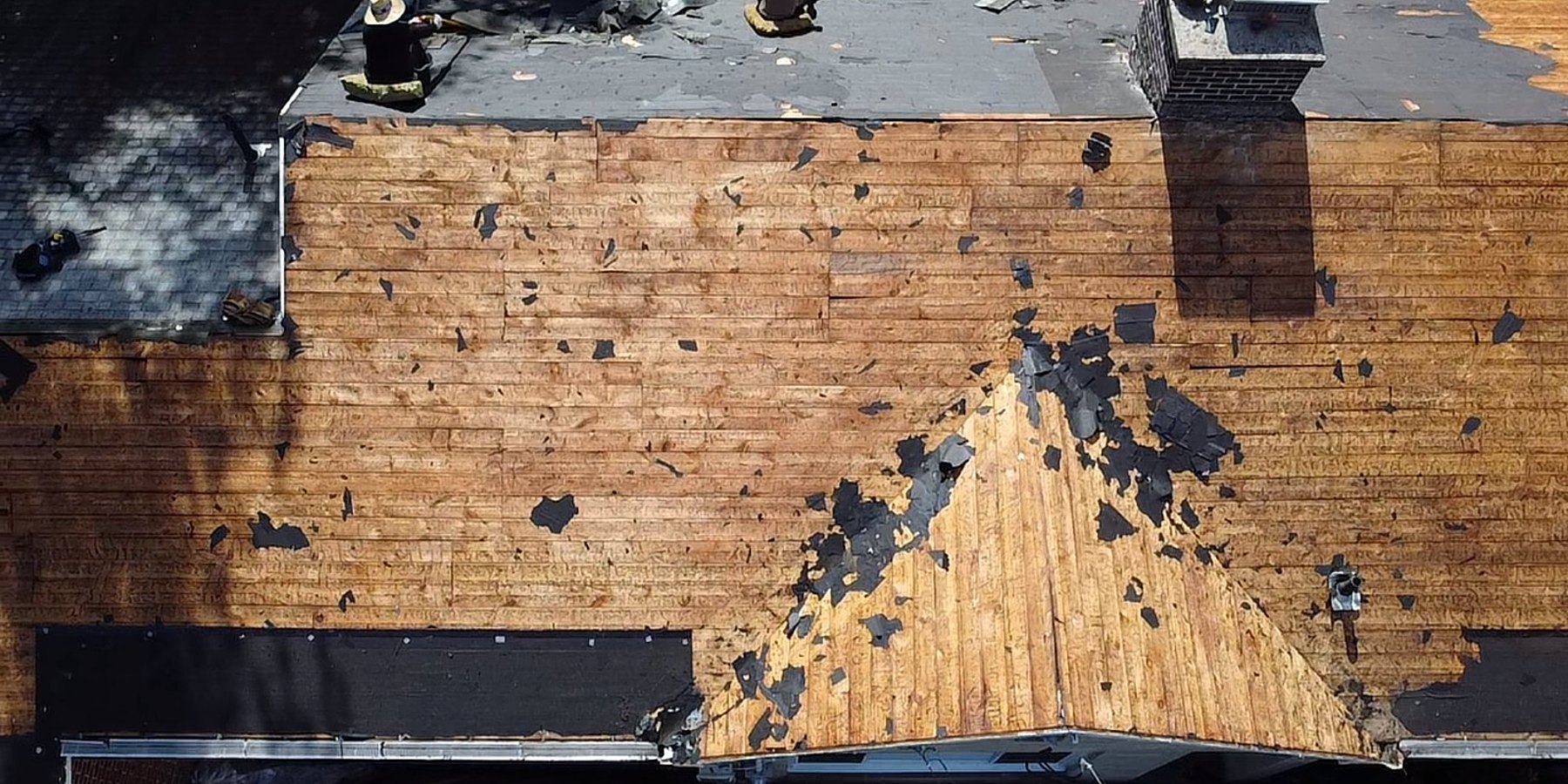
Some towns inspect partway through, while the deck, membrane and flashing are still open, and again at the end. That's one more reason a full tear-off is the honest way to do it: everything an inspector needs to see is visible.
Why the permit protects you.
- It's on record. When you sell, buyers and their inspectors can see the roof was permitted, and when.
- It dates your roof. Insurers and buyers ask how old the roof is. The permit answers it.
- It puts the contractor on record. The application names who's doing the work.
- Unpermitted work can come back. It can surface at a sale, and a town can require a permit after the fact.
Before you sign, check the contractor.
- Home Improvement Contractor registration. Anyone doing residential improvement work in Connecticut needs one. Look it up on the state's eLicense site, elicense.ct.gov. Ours is CT HIC.0706765.
- Insurance, both kinds. General liability, and workers' comp for every crew on your roof. Ask for the certificates. Ours: $2M general liability, and workers' comp required of every crew, certificates on file.
- Who files the permit. Get it in writing.
- Solar panels on the roof? Taking them off and putting them back is electrical work too. On our solar R&R jobs a licensed electrician pulls the electrical permit and books the town inspection, and we pull the roof permit. How solar R&R works.
Historic districts.
Many Connecticut towns have local historic districts. If your house is in one, changes you can see from the street, like a different roofing material, may need a certificate of appropriateness from the historic district commission before work starts. Like-for-like replacements are often simpler, but ask the town first.
- 2022 Connecticut State Building Code, 2021 IRC portion, Chapter 9: Roof assemblies
- Connecticut eLicense: look up a Home Improvement Contractor registration
Code references are general information, checked November 2, 2026. Your town's building department has the final word on your house.
LET’S CLEAR A FEW THINGS UP.
Do I need a permit to replace my roof in Connecticut?
Yes. A roof replacement needs a building permit from your town under the Connecticut State Building Code, and the contractor normally files it. Small repairs may not need one; ask your building department.
Who pulls the roofing permit, me or the contractor?
The contractor, normally, because they're doing the work and answering to the inspector. We pull the roof permit on every roof we replace.
How much is a roofing permit in Connecticut?
Each town sets its own fee, usually based on the value of the job. Your contractor should include it in the quote or tell you what it is.
What happens if a roof was replaced without a permit?
It can surface when you sell, since buyers' inspectors may ask for the permit. The town can also require one after the fact.
How do I check a contractor's registration in Connecticut?
Look up their Home Improvement Contractor registration on the state's eLicense site, elicense.ct.gov. Then ask for their insurance certificates, including workers' comp.